about
swami Vivekananda , born Nerendranath Datta , was an indian Hindu monk , philosopher , author ,religious , teacher , and the chief disciple of the indian mystics Ramakrishna .
born : 12 January 1863, Ramakrishna mission swami Vivekananda s ancestral house and cultural centre, Kolkata .
died : 4 July 1902 (age 39 years ) , Belur math , Howrah .
influenced by : Ramakrishna , Debendranath Tagore . see more
education : Scottish church college (scc) , Vidyasagar college (1871-1877) , presidency university , university of calcutta
parents : Vishwanath Datta , Bhubaneswar devi
siblings : Bhupendra Nath Datta .
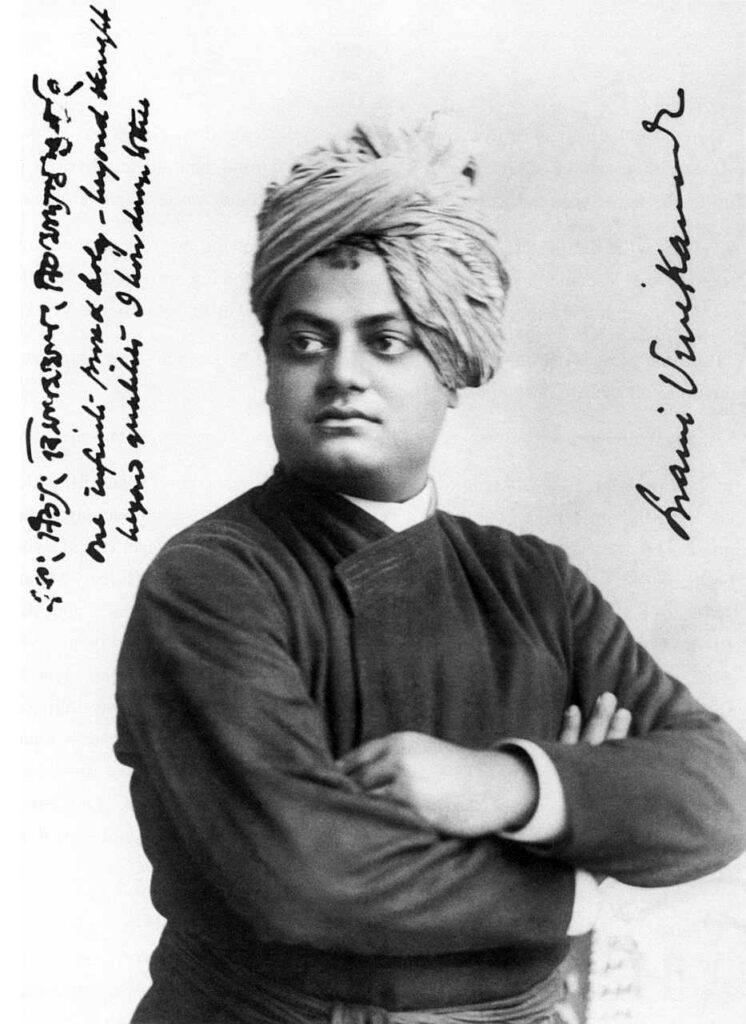
why is Vivekananda so famous ?
swami Vivekananda is famous for introducing indian philosophies like Vedanta yoga to the west , his powerful 1893 speech at the parliament of the worlds religions , and his role in the indian renaissance . he is celebrated fir this ability to build a bridge between indian and western cultures , advocating of social reform , interfaith dialogue , and awakening a sense of nationalism and pride in Indians heritage .
swami Vivekananda (12 January 1863 -04 July 1902), born Narendranath Datta , was an indian Hindu monk , philosopher , author , religious teacher , and the chief disciple of the indian mystic Ramakrishna . Vivekananda was a major figure in the introduction of Vedanta and yoga to the western world , and is credited with raising interfaith awareness and elevating Hinduism to the status of a major world religion .
https://mrshree2006.blogspot.com/2025/10/vishwamitra-is-hindu-darma-engineer.htmlDetails
born into an aristocratic Bengali Kayastha family in calcutta (now Kolkata ), Vivekananda showed an early inclination towards religion and spirituality . at the age of 18, he met Ramakrishna and become his devoted disciple , and later look up the vows of a sannyasin (renunciate ) . following Ramakrishna s death, Vivekananda travelled extensively across the indian subcontinent as a wandering monk , gaining first -hand knowledge of the Often harsh living condition s Andured by the indian masses Inder then British indian , he sought a way to alleviate their suffering by Esta bling social service but lacked capital . in 1893, he travelled to the united states to participate in the parliament of the world s religions in Chicago ,where he delivered a landmark speech beginning with the words sisters and brothers of america……. . his powerful message introduced Hindu spiritual thought and advocated for both religious tolerance and universal acceptance . the speech made a profound impression ; an American newspaper described him as an orator by divine right and undoubtedly the greatest figure at the parliament .
https://mrshree2006.blogspot.com/2025/10/vishwamitra-is-hindu-darma-engineer.html
following his success in Chicago , Vivekananda lectured widely across the united states , the united kingdom , and continental Europe , disseminating the essential principles of Hindu philosophy. he established the Vedanta society of new York and the Vedanta society of San Francisco (now the Vedanta society of northern California ), both of which become the foundations for later Vedanta societies in the west . in india , he founded the Ramakrishna math , a monastic order for spiritual training , and the Ramakrishna mission , dedicated to social services , education , and humanitarian work .
Vivekananda is widely regarded as one of the greatest modern indian thinkers . he was a prominent philosopher, social reformer , and the most successful proponent of Vedanta philosophy abroad . he played a crucial role in the Hindu revivalist movement and contributed significantly to the rise and development of indian nationalism in colonial india . celebrated as a patriotic saint, his birth anniversary is observed in india as national youth day .
EARLY LIFE (1863-1888)
Birth and childhood .
Vivekananda was born as Narendranath Datta (name shortened to Narendra or Naren ) in a Bengali Kayatha family in his ancestral home at 3 Gourmohan Mukherjee street in calcutta, the capital of British india , on 12 January 1863 during the makar Sankranti festival. he was one of nine siblings . his father , Vishwanath Datta , was an attorney at the calcutta high Cort . Durgacharan Datta , Narendra’s grandfather was a Sanskrit and pereion scholar who left his family and become a monk at age twenty – five . his mother , Bhuvaneswari devi , was a devote housewife . the progressive , rational attitude of Narendra’s father and the religious temperament of his mother helped shape his thinking and personality . Narendra Nath was interested in spirituality from a young age and used to meditate before the images of deities such as shiva , Rama , site , and hanuman . he was fascinated by wandering ascetics and monks . Narendra was mischievous and restless as a child , and his parent often hod difficulty controlling him . his other said , i prayed to shiva for a son and he has sent me one of his demons .
education
in 1871, at the age of eight, Narendranath enrolled at Ishwar Chandra Vidyasagar’s metropolitan institution, where he want to school until his family moved to Raipur in 1877. in 1879 after his family s return to calcutta, he was the only student to receive first -division marks in the precedency college entrance examination. he was an avid reader in a wide range of subjects , including philosophy , religion , history, social science , art and literature . he was also interested in Hindu scriptures, including the Vedas , the Upanishads the bhagavad Gita , the Ramayana , the Mahabharata and the purana . Narendra was trained in india classical music , and regularly participated in physical exercise , sports and organised activities. he studied western logic , western philosophy and European history at the general assembly s institution . in 1881 , he passed the fine arts examination, and completed a bachelor of arts degree in 1884. Narendra studied the works of david hume , lammanuel kant, johann gottlieb fichte, baruch spinozo , geory W. F. hegel,artgur schopenhauer, auguste comte, john stuart mill and charles darwin . he become fascinated with the evolutionism of herbert spencer and corresponded with him . he translated spencers book education (1861) into bengali. while studying western philosophers, he also learned sanskrit scriptures and bengali literature .
William Hastie (the principal of Christian college , Calcutt, from where Narendra graduated ) wrote of him : “Narendra is really a genius. i have travelled far and wide but I have never come across a lad of his talents and possibilities, even in German universities , among philosophical students. he is bound to make him mark his in life . he was known for his prodigious memory and speed reading ability, and a number of anecdotes attest to this . some accounts have called Narendra a shruti Dhara ( a person with a prodigious memory ).